Most Aussies have seen a club pokies sign on the wall and wondered what those percentages actually mean for the wallet. After twenty-four years working slots across NextGen, NYX and IGT, I can tell you the maths rarely matches the spin. Understanding club pokies odds is less about chasing a hot machine and more about reading paytables, volatility and the house edge stacked into every reel strip. A fair go means knowing the odds before you hand over the coins, not after.
What the Paytable Actually Tells You
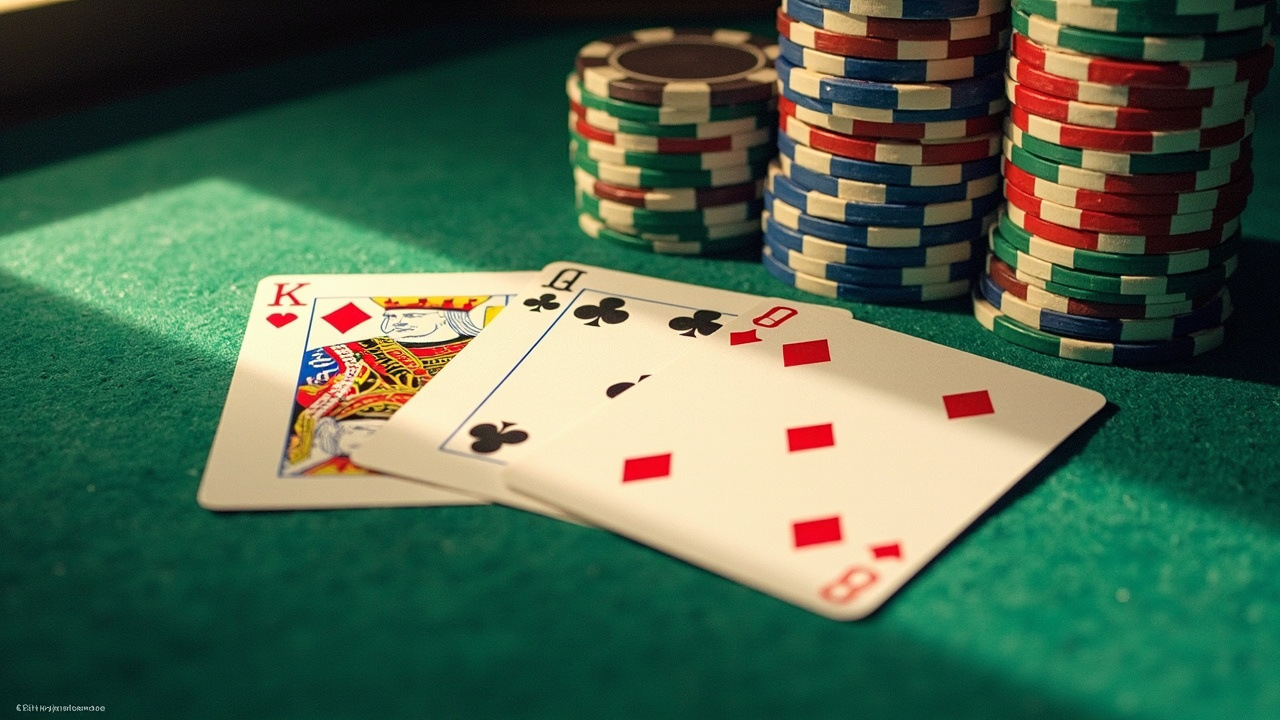
A paytable is the only honest document on the cabinet, and it tells you exactly what the game designer built into the maths. I’ve sat in creative strategy meetings where we mapped symbol frequency and hit rates long before a single cabinet shipped, and the same discipline applies on the floor. The return to player figure is a long-run average, not a promise for your arvo session. High-value symbols usually appear less often, which is why a spin can feel flat out like a lizard drinking even when the machine is performing exactly as designed. Volatility shapes the rhythm: a low-variance title pays smaller wins more regularly, while a high-variance game stretches the dry spells between bigger payouts. Club operators rarely change the underlying maths once a cabinet is installed, so the paytable you read on day one is the one you’re playing months later. If you’re comparing club pokies odds across machines, look for the explicit return figure and the symbol hierarchy rather than chasing flashing lights or near-miss animations. The numbers don’t care about the theme, and neither should your bankroll plan.
How Club Layouts Shape the Odds You See
The physical environment changes how you experience the maths, even if it doesn’t alter the reels themselves. I’ve led teams that had to plan cabinet placement around sightlines, foot traffic and quiet zones, and that same spatial logic affects how you pick a machine. A row near the bar tends to run higher-traffic titles that are built for frequent, smaller engagement, while the back corner often holds the slower, higher-variance games that need patience. Local operators in places like Hobart often stock a mix of community and standalone cabinets, and the club’s buying decisions usually favour titles that hold a broad appeal rather than a tight niche. That selection bias matters because the odds you’re comparing are already filtered through what the venue chose to install. When you’re scanning the floor, treat the layout as a clue about the game’s intended pace, not a signal that one cabinet is luckier than another. The house edge stays fixed, but your ability to read the room and match your session style to the right machine is where a bit of experience pays off.
How to Read the Cabinet Before You Spin
You don’t need a degree in probability to make a sensible call, but you do need a repeatable check before you drop in a coin. I’ve reviewed creative strategy decks where every symbol weight and stop frequency was documented, and the same attention to detail is worth carrying onto the floor. Here’s the process I use when I’m sizing up a new cabinet:
- Read the paytable from top to bottom and note the highest-paying symbol and how many stops it typically occupies.
- Check the volatility label or hit-frequency note if the cabinet displays one, because that tells you whether the game is built for steady small returns or longer dry spells.
- Compare the stated return figure against other machines on the same floor, keeping in mind that a higher number doesn’t guarantee a faster session. pokiesnet-au-pay1d.com
- Watch a few spins without betting to see the pace of payouts and how the bonus triggers are timed.
- Set a firm session limit and a stop point before you start, so the maths stays in charge rather than the mood.
That routine keeps you focused on the actual odds instead of the noise around the screen. It’s the same mindset I’ve used when judging whether a new title’s design supports its mathematical profile, and it works just as well on a busy club floor.
Where Club Pokies Odds Meet Real-World Limits
The maths on the cabinet is only half the story, because the operator’s rules and the local regulatory backdrop shape what you can actually do with a win. Australia’s anti-money-laundering framework has tightened noticeably over the years, and AUSTRAC pursued civil penalties against Crown and Star for money-laundering breaches, which pushed many venues to sharpen their monitoring and transaction records. That kind of oversight doesn’t change the reels, but it does affect how quickly you can move money in and out, how identity checks run, and how strictly a venue tracks large or repeated transactions. I’ve seen creative strategy teams adjust bonus mechanics and loyalty structures to fit those compliance realities, because a promotion that looks generous on paper can run into contribution caps, wagering requirements and eligibility limits once the fine print lands. When you’re weighing club pokies odds alongside a bonus or a loyalty tier, read the contribution rules and the recurring promo terms before you assume the headline number is the whole offer. The same caution applies to payment methods and currencies: a venue might advertise a smooth mobile sign-up, but the actual withdrawal path, processing windows and any per-transaction limits are what decide whether a session stays enjoyable or turns into a paperwork exercise. The odds on the screen are fixed; the surrounding rules are what you can actually compare and choose between.
Reading club pokies odds well means separating the fixed maths from the noise, the layout and the fine print. A fair go comes from knowing the paytable, matching the volatility to your session style, and treating every bonus or loyalty perk as a set of rules rather than a free run. The machines don’t care about the story on the marquee, and neither should your bankroll plan.